Appearance
Shilohs are large shepherds that all descended from the “Shiloh Kennel.” Here is a link to the breed history.
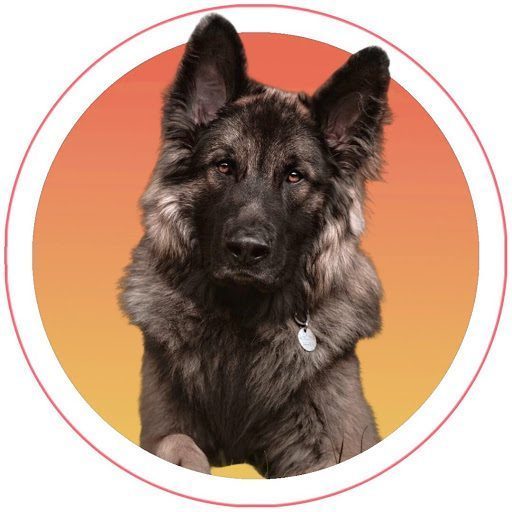
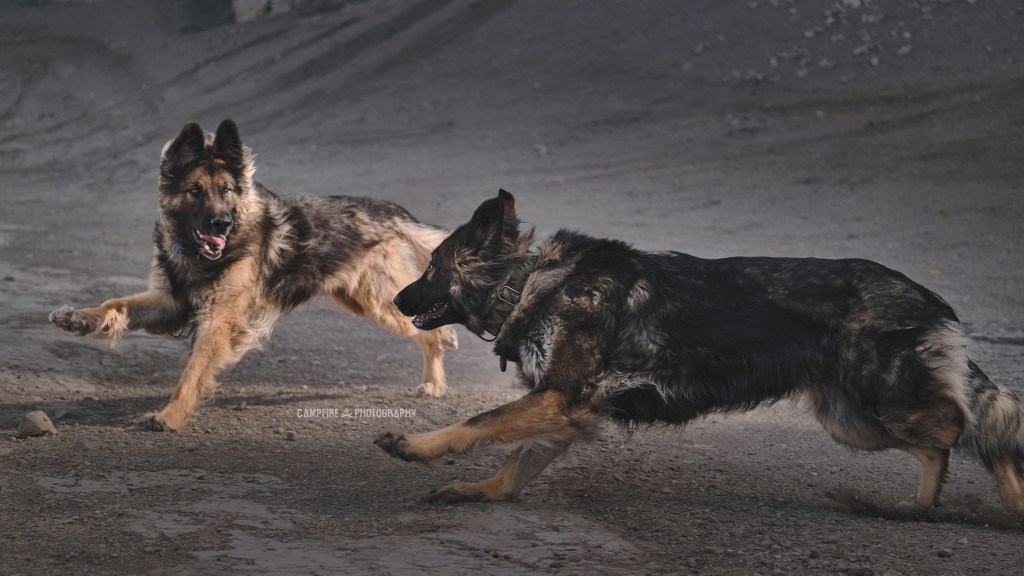
They are large, big-boned dogs, with 9:10 body proportions, wolfish features, and blocky heads.
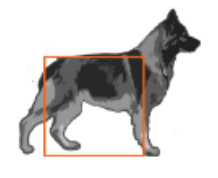
They typically range from 75 lbs – 120 lbs and 26″-31″ tall at the withers.
Their colors vary from all shades of sable, bi-color, and dual, as well as solid white and solid black.
There are no blue, liver-colored, or panda-colored Shilohs.
Most Shilohs are plush-coated, but there are short-coated Shilohs too (affectionately called ‘smoothies’).
Temperament
Shilohs are an intermediate-level dog.
Shilohs are a little easier to manage than most other shepherd breeds, but still retain herding and protective instincts. This should be considered when training and socializing, as these traits will make them more environmentally aware than other non-herding type breeds.
Shilohs range from medium to low energy, with exceptions on either end of the typical spectrum.
However, that doesn’t mean that Shilohs are inherently couch potatoes, and they require training, calm exposure, and proper socialization.
A wellbred Shiloh is even-tempered and fits into family life, and many are accomplished therapy dogs!
They’re typically neutral to strangers, but with pushy or improper socialization, they can be fearful/shy.
Aggression, nervousness, and shyness are faults.
Shilohs are great weekend warriors and dabbling in dog sports. They may not have the fastest times in sports, but they have a thoughtful and steady work style.
Here’s a more detailed Shiloh Shepherd temperament guide.
Health
Health is something that reputable breeders are very passionate about!
Reputable breeders are science-forward and do extensive health-testing and DNA analysis of their dogs.
Shiloh Shepherds are an OFA-CHIC breed, and they have over 1000 individuals listed in OFA and PennHIP respectively.
Here’s the latest health survey.
Hips
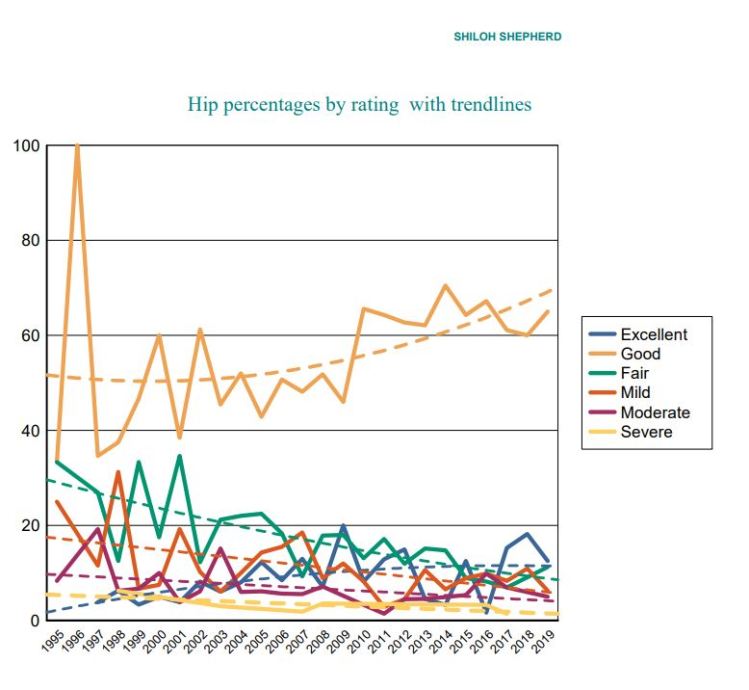
One of the big goals of the breed is to lower the rates of hip dysplasia.
While it still occurs, Shiloh Shepherds are steadily improving breed-wide!
Bloat
As with any deep-chested breed, sometimes the stomach can twist, and the dog needs immediate veterinary attention.
A preventative gastropexy (stomach-tacking) is recommended, which can be done at the same time as a spay/neuter at a breed-appropriate age (much like Great Danes).
Risk increases with age.
Here is a chart on the signs to look out for.

EPI
Exocrine Pancreatic Insufficiency pops up occasionally, and can be treated with supplements.
GSDIVA
GSDIVA is an inherited heart condition that causes heart arrhythmias in puppies. It is recommended that all Shiloh puppies get holtered at an early age, and reputable breeders will help facilitate this testing.
Early detection is the key!
If detected, the condition can be outgrown by 1-2 years old with medication. In rare cases, sudden death may occur.
The ISSA has helped to raise funds to develop a test for this condition, and they are currently working with Dr. Kathryn Meurs DVM, PhD at North Carolina State University.
This research is currently ongoing.
Updates can be found on the club’s Facebook page.
 Campfire Shilohs